
DEVELOPMENT & CONSTRUCTION ANOTHER LAYER OF COST: WHO PAYS FOR COMPLIANCE?

ACT developer licensing, home warranty insurance and the growing cost of delivering housing.
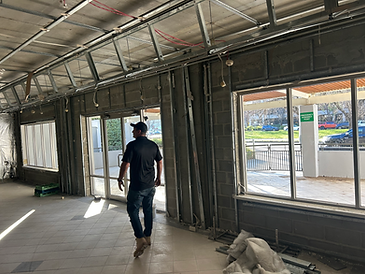
Building in Canberra has never been a simple exercise in getting plans approved and putting a team on site. Developers and builders operate within a growing framework of licensing, insurance, reporting and compliance obligations, all of which need to be accounted for before a project gets off the ground.
From 1 October 2026, the ACT's new property developer licensing scheme became mandatory for relevant residential developments involving three or more dwellings. At the same time, further changes to the scheme, including proposals relating to latent defect insurance, are being considered.
The objective is clear: improve accountability and give buyers greater confidence in the homes being delivered.
But there is another side to the conversation. Every new requirement has an implementation cost, and in an industry already dealing with high construction costs, tight feasibility margins and housing affordability pressures, those costs deserve consideration.
A NEW LICENSING FRAMEWORK
The ACT's Property Developers Act 2024 introduces a licensing framework for developers involved in regulated residential projects. It requires eligible developers to demonstrate their financial and operational capacity, meet suitability requirements and obtain an approved specialist rating report.
The scheme also introduces a public register, a code of practice and additional regulatory powers relating to serious building defects.
These are meaningful changes to the way residential development operates in the Territory. For developers, they mean additional work before a project can proceed, as well as ongoing obligations throughout the development process.
For smaller developers, the cost of meeting these requirements can represent a more significant proportion of the overall project budget than it does for larger operators.
And while a licence fee may be the most obvious expense, it is only one part of the picture. Professional advice, financial reporting, administration and the time required to navigate new requirements all contribute to the cost of doing business.
INSURANCE AND THE COST OF BUILDING
Insurance is another important part of the discussion.
Home warranty insurance, known in the ACT as residential building work insurance, already applies to eligible residential building work. It is intended to protect homeowners in certain circumstances, including where a builder dies, disappears or becomes insolvent.
The newer discussion around latent defect insurance is different. The ACT Government has proposed measures intended to encourage developers to take out this additional form of cover, which can provide protection against qualifying building defects for a period of ten years.
The distinction matters. These are separate insurance arrangements, with different purposes and implications for developers, builders and homeowners.
The policy question is how to improve consumer protection while ensuring the cost and availability of insurance remain workable for the industry.
Insurance premiums, licensing fees and compliance expenses do not exist in isolation. They form part of the broader cost of delivering a project. Depending on the project and market conditions, those costs may affect developer margins, project viability or the price ultimately paid by a purchaser.
That does not mean consumer protections should be avoided. It means their costs and practical implications should be understood alongside their benefits.
THE CHALLENGE OF CHANGE
One of the more difficult aspects of operating in construction is planning around requirements that are changing while projects are being assessed, financed and prepared for delivery.
Development feasibility relies on assumptions about costs, timing and risk. Developers make decisions based on the information available at the time, often committing substantial capital before construction begins.
When regulatory settings change, the implications can extend beyond the direct cost of compliance. Additional assessments, insurance arrangements or approval requirements can affect project timing and the assumptions underpinning a feasibility.
For projects with limited margins, even a relatively small increase in costs can influence whether a development proceeds.
The challenge is not simply the introduction of new requirements. It is ensuring the transition is clear, practical and sufficiently predictable for businesses to plan around.
OPERATING ACROSS TWO JURISDICTIONS
At Grid Property Group, we hold building licences in both the ACT and NSW. Working across these jurisdictions means understanding that each has its own regulatory framework, insurance settings and approval processes.
A licence in one jurisdiction does not automatically remove the need to satisfy the requirements of the other. Developers and builders need to understand which obligations apply to their particular role, project and location.
That knowledge is part of delivering projects responsibly. It is also part of assessing feasibility properly, before commitments are made and costs become difficult to recover.
For us, the focus is on understanding the requirements early, allowing for them in project planning and maintaining a clear view of the risks involved in delivering a development.
PROTECTING BUYERS WHILE KEEPING HOUSING VIABLE
There is no question that buyers deserve confidence in the homes they purchase, and that those responsible for delivering residential buildings should be held accountable.
The challenge is getting the balance right.
Regulation and insurance can play an important role in protecting consumers. But the effectiveness of a framework also depends on whether it can be implemented efficiently, whether the cost is proportionate to the risks being addressed, and whether it allows viable housing projects to proceed.
These considerations become particularly important when governments are also seeking to increase housing supply and improve affordability.
If the objective is to deliver more quality housing, the cost of getting from a development concept to a completed home needs to remain part of the conversation.
THE BOTTOM LINE
Developer licensing and insurance are now an increasingly important part of the residential construction landscape in the ACT.
For developers and builders, understanding these obligations is essential. For policymakers, the challenge is to strengthen accountability and consumer protection while remaining conscious of the cumulative cost of delivering housing.
At Grid Property Group, we see compliance as part of responsible development. But we also believe the practical implications of new requirements deserve proper consideration.
Because every additional cost has to be accounted for somewhere. And when the broader objective is to deliver more housing, the question is not just how we regulate the industry, but how we do it in a way that keeps good projects viable.
Grid Property Group
Design-led development and construction across Canberra and the South Coast.


Comments